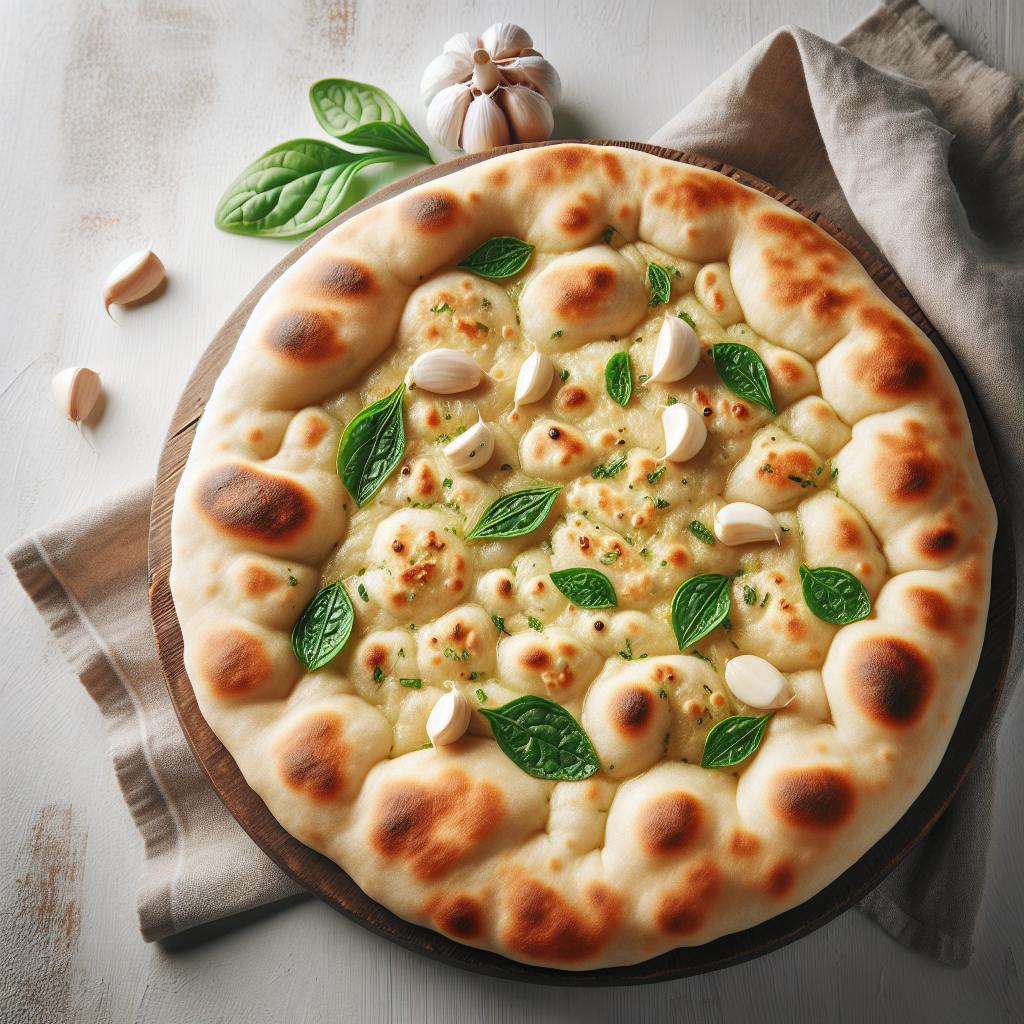
Imagine a warm, pillowy cloud, infused with aromatic garlic, ready to scoop up your favorite curry or dip. That's the magic of homemade garlic naan, and frankly, it blows any store-bought version out of the water. Achieving that perfect balance of soft, fluffy texture with those wonderfully charred bubbles might seem like a culinary challenge, but with the right insights and a few insider secrets, you can bring the authentic taste of Indian cuisine directly to your kitchen. Forget about bland, stiff flatbreads; we're about to unlock the secrets to truly superior garlic naan, delving into crucial choices like flour type, the age-old ghee versus butter debate, and how to master the perfect cook.
The Foundation of Fluffiness: Flour Power & Leavening Logic
The journey to transcendent garlic naan begins with understanding your dough, and at its heart lies the flour. It's the main structural component of any bread, and the type you choose significantly impacts the final texture.
- Bread Flour vs. All-Purpose: The Protein Advantage
While you *can* use all-purpose flour for naan, our tests (and those of many experienced bakers) consistently show that bread flour delivers superior results. Why? It all comes down to protein content. Bread flour boasts a higher protein percentage (typically 12-14%) compared to all-purpose flour (around 10-12%). This higher protein translates to more gluten development when kneaded. Gluten is the elastic network that traps the gases produced by yeast, giving your naan its characteristic chewiness, strength, and incredible ability to puff up and become wonderfully fluffy. Brands like King Arthur Bread Flour are often recommended for their consistent quality and high protein. For an unparalleled fluffy and slightly chewy naan, opt for bread flour with a high protein content – it truly makes a difference. - Yeast: The Leavening Star
Yeast is the magical ingredient responsible for the naan's airy, light structure. Most recipes call for instant yeast (also known as quick-rise or rapid-rise yeast) for its convenience. It can be mixed directly with the dry ingredients without prior activation, making the process incredibly straightforward and helping to create that desired fluffy flatbread quickly. If you only have active-dry yeast on hand, don't despair! You can absolutely use it; just remember to activate it first in warm liquid (usually water or milk) with a pinch of sugar for about 5-10 minutes until foamy. You'll also need to increase the overall proofing time for the dough, typically from 1 hour to about 1.5 hours, to allow the yeast sufficient time to work its magic. - The Yogurt Secret: Moisture, Tenderness, and Tang
One often-overlooked ingredient that contributes immensely to the softness and flavor of garlic naan is full-fat Greek yogurt. Beyond simply moistening the dough, yogurt brings several benefits:- Tenderness: The lactic acid in yogurt helps tenderize the gluten, resulting in a softer, more pliable naan.
- Moisture: It adds rich moisture to the dough, preventing it from drying out during cooking.
- Subtle Tang: Greek yogurt imparts a delicate, authentic tang that complements the savory garlic beautifully, adding another layer of complexity to the flavor profile.
Ghee vs. Butter: The Traditional Fat Debate for Authentic Naan
When it comes to enriching your garlic naan, the choice of fat plays a significant role in both flavor and texture. The two primary contenders are ghee and unsalted butter, each offering unique characteristics.
- Ghee: The Traditionalist's Choice
Ghee is clarified butter, a staple in Indian cuisine. It's made by simmering butter to remove its water content and milk solids, leaving behind a pure, golden fat with a higher smoke point and a distinct, nutty aroma. Traditionally, naan bread is made with ghee, and for good reason. Ghee contributes a unique depth of flavor and a slightly richer mouthfeel that is instantly recognizable as authentic. Its high smoke point also makes it excellent for cooking, allowing the naan to brown and char without the fat burning. Using ghee in your naan dough and for brushing after cooking will impart that quintessential, deep, buttery-nutty flavor that elevates homemade naan to another level. - Unsalted Butter: The Accessible Alternative
If ghee isn't readily available or you simply prefer the taste, unsalted butter is an excellent and widely accessible substitute. You can expect very similar results in terms of texture and fluffiness. Butter, especially when melted and infused with garlic, adds a beloved richness and savory quality to the naan. While it lacks the specific nutty notes of ghee, it still creates an incredibly delicious and satisfying flatbread. The key is to use unsalted butter to control the overall saltiness of your naan. - Interchangeability and Post-Cook Brush
Both ghee and unsalted butter are largely interchangeable in a garlic naan recipe, both for the dough and for brushing the cooked flatbreads. However, the true magic often happens *after* cooking. Brushing the hot naan fresh off the pan with melted butter or ghee, generously flavored with fresh minced garlic and a sprinkle of salt, is non-negotiable for achieving that quintessential garlicky goodness. Some prefer to leave the garlic uncooked in the melted fat for a pungent kick, while others simmer it gently for a few minutes to mellow its sharpness and deepen its flavor. This final brush adds moisture, incredible flavor, and a beautiful sheen that makes your homemade naan irresistible.
Mastering the Cook: Achieving Authentic Char and Texture
The hallmark of truly great naan bread is its unique texture: soft and pliable with wonderfully charred bubbles. Traditionally, naan is cooked in a tandoor clay oven, which imparts that characteristic smoky flavor and rapid, high-heat cook. But don't worry, you can achieve impressive, tandoor-style results right on your stovetop.
- The Cast Iron Pan is Essential
A heavy-bottomed cast iron pan is your best friend for making homemade garlic naan. Its ability to retain and distribute high, even heat is crucial for mimicking the tandoor's intensity. Preheat your cast iron pan over medium-high heat until it's very hot – almost smoking. This high heat is what causes the naan to puff up rapidly and develop those coveted charred bubbles. Placing the dough directly onto a blistering hot surface creates steam internally, which causes the dough to balloon, while simultaneously charring the exterior. - Cooking Technique for Perfect Texture
Once your pan is searing hot, gently place a rolled-out piece of naan dough onto it. You'll quickly see bubbles forming on the surface – this is a good sign! After about 1-2 minutes, the underside should be lightly browned and the bubbles will be more prominent. Flip the naan over and cook for another 1-2 minutes on the second side. Some people like to then finish the naan by holding it with tongs directly over an open flame (if using a gas stove) for a few seconds to get extra char, or by briefly placing it under a preheated broiler. - Controlling the Char: Chewier vs. Softer Naan
The level of char is a matter of personal preference and directly impacts the final texture.- For a chewier, firmer naan bread with a more intense, slightly smoky flavor, allow the naan to develop distinct black spots and scorching in places. The longer it cooks at high heat, the more pronounced the char and the chewier the texture will be.
- For a softer, more pliable naan, remove it from the heat as soon as it's puffed up and shows light golden-brown spots, before significant black spots appear. This will result in a more tender crumb.
Immediately after removing from the pan, brush generously with your prepared garlic-infused ghee or butter. This locks in moisture and infuses the bread with incredible flavor.
Beyond the Basics: Flavoring and Serving Your Naan
While the focus is often on texture, the flavors you incorporate into your garlic naan are what truly make it sing. Fresh garlic is, of course, the star, but there's room for personalization.
- The Garlic Essential
Fresh garlic is non-negotiable for garlic naan. As mentioned, whether you stir minced garlic into melted butter/ghee uncooked for a sharp, vibrant flavor, or simmer it gently for a few minutes to create a mellower, more integrated taste, ensure it's generously applied. We strongly recommend fresh garlic over garlic powder for its superior aroma and punch. - Herb Variations
Traditionally, fresh cilantro is often sprinkled over Indian flatbreads. Its bright, citrusy notes offer a refreshing contrast to the richness of the naan. However, cilantro is famously divisive. If you're not a fan, consider these alternatives:- Fresh Parsley: A milder, peppery alternative that still adds a lovely green fleck and fresh taste.
- Chives: For a delicate oniony note.
- Leave it out: Your garlic naan will still be absolutely delicious on its own!
- Serving Suggestions: The Perfect Accompaniment
The beauty of homemade garlic naan is its incredible versatility. It's not just a side dish; it's an experience unto itself.- Dipping & Scooping: It's perfect for scooping up creamy hummus, classic baba ghanoush, or vibrant dips like fresh bruschetta or a tangy whipped feta dip.
- Alongside Soups & Curries: Pair it with hearty lentil soups or use it to mop up the rich, flavorful sauces of your favorite Indian curries, such as tikka masala, spicy butter chicken, or fragrant lamb rogan josh. The naan's soft texture and robust flavor make it the ideal vehicle for these complex dishes.
- As a Wrap or Base: For a lighter meal, use a piece of naan as a wrap for grilled vegetables or spiced chicken. You can even use it as a base for a quick, personal pizza!
Making homemade garlic naan is a culinary journey that promises incredibly delicious rewards. By understanding the nuances of flour, embracing the traditional richness of ghee (or the convenience of butter), and mastering the stovetop char, you can create a truly authentic and incredibly fluffy Indian flatbread. So gather your ingredients, fire up that cast iron, and prepare to impress yourself and your loved ones with the best homemade garlic naan they've ever tasted. It’s easier than you think, and the taste is undeniably better than anything you’ll find in a package.
