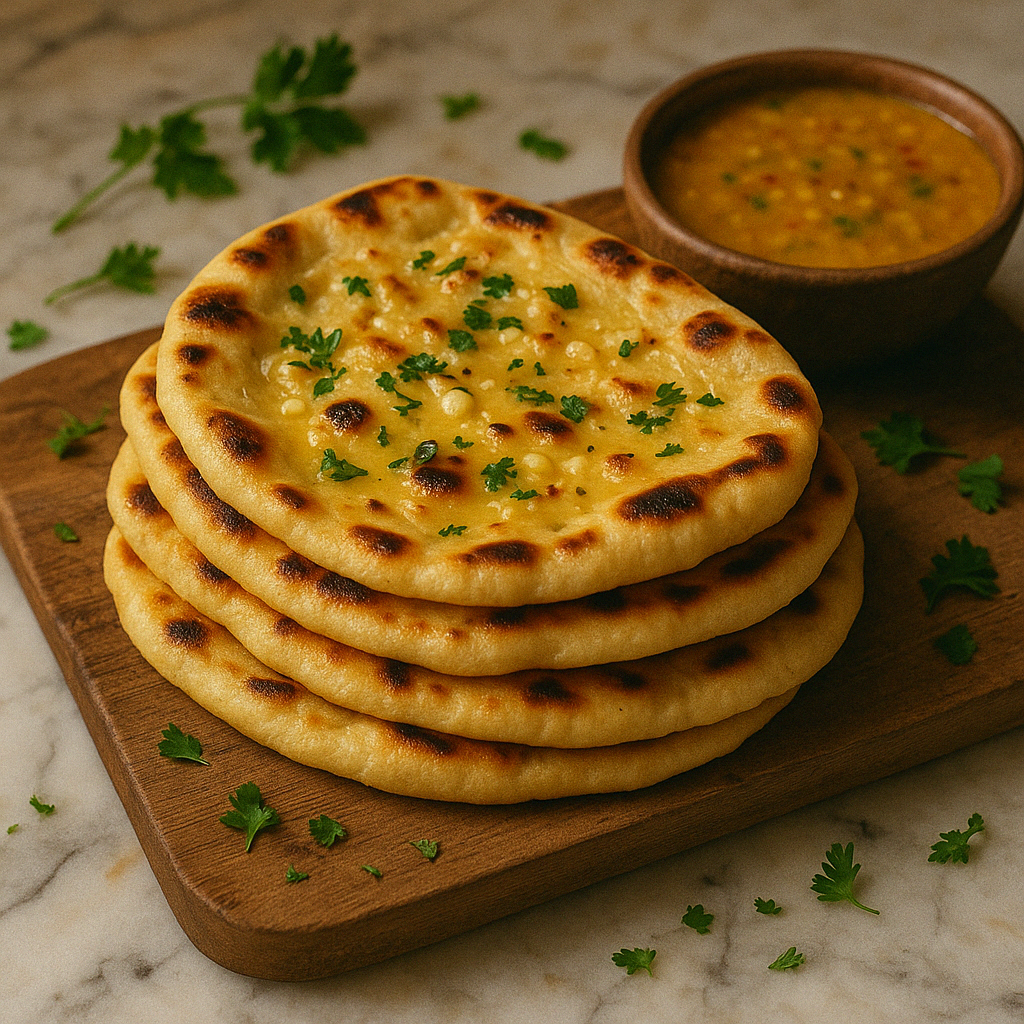
Stovetop Garlic Naan: Get Charred Bubbles with a Cast Iron Pan
There’s an undeniable magic in a freshly baked piece of naan bread – that pillowy softness, the irresistible chew, and those characteristic charred bubbles that speak of authentic, high-heat cooking. While traditional naan finds its home in a scorching tandoor oven, bringing that experience into your home kitchen is not only possible but surprisingly straightforward. Forget the dry, mass-produced versions from the grocery store; with just a few simple ingredients and the trusty heat retention of a cast iron pan, you can create fluffy, flavorful homemade
garlic naan that rivals your favorite Indian restaurant. Get ready to dip, scoop, and savor the superior taste of naan crafted right on your stovetop.
Why Homemade Garlic Naan is a Game-Changer
The difference between store-bought naan and a fresh, warm piece pulled straight from your skillet is night and day. Homemade garlic naan offers a sensory experience that pre-packaged alternatives simply can't match. Imagine the aroma of toasted dough mingling with pungent garlic and perhaps a hint of fresh cilantro filling your kitchen. Then there's the texture: incredibly soft and pliable, yet with a satisfying chewiness and those delightful pockets of air that bubble up during cooking. Each bite is infused with a robust garlicky goodness, making it an ideal companion for a myriad of dishes.
Beyond the superior taste and texture, making your own
garlic naan gives you complete control over the ingredients, ensuring a wholesome and delicious result. It transforms a simple flatbread into an experience – a culinary journey that brings the authentic flavors of Indian cuisine right to your dining table. Whether you're pairing it with a rich curry, using it to scoop up creamy hummus, or simply enjoying it on its own, warm naan fresh off the stovetop is an absolute treat that's easier to achieve than you might think.
The Essential Ingredients for Perfect Stovetop Garlic Naan
Crafting exceptional garlic naan begins with understanding the role each ingredient plays in creating its signature texture and flavor profile.
*
Flour: The Foundation of Texture
While all-purpose flour can certainly work in a pinch, for that truly soft, chewy, and pliable naan,
bread flour is highly recommended. Bread flour boasts a higher protein content, which translates to better gluten development. This gluten network is what gives naan its characteristic elasticity and structure, allowing it to puff up beautifully and develop those coveted bubbles. Brands like King Arthur Bread Flour are excellent choices due to their consistent quality and protein levels. If you only have all-purpose flour, don't despair – your naan will still be delicious, though perhaps slightly less chewy.
*
Yeast: The Source of Fluffiness
Instant yeast (also known as quick-rise or rapid-rise yeast) is the preferred choice for its convenience. It can be mixed directly with the dry ingredients without prior activation, streamlining the dough-making process and leading to a fluffy flatbread. If you're using active dry yeast, you'll need to activate it first by dissolving it in a small amount of warm water (around 105-115°F or 40-46°C) with a pinch of sugar, then allow it to bloom for 5-10 minutes until foamy. This also typically requires an increased proofing time, from about 1 hour for instant yeast to roughly 1.5 hours for active dry yeast.
*
Ghee vs. Butter: The Flavor and Fat Factor
Traditionally, naan is made with ghee, a clarified butter widely used in Indian cooking. Ghee is butter that has been simmered to remove water and milk solids, resulting in a pure fat with a higher smoke point and a distinct, slightly nutty flavor. This concentrated fat contributes to the naan's richness and helps create a tender crumb. However, if ghee isn't readily available,
unsalted butter is an excellent substitute. You can expect very similar, delicious results. In fact, many recipes call for brushing the cooked naan with melted butter or ghee, often infused with garlic, for an extra burst of flavor and a beautiful sheen.
*
Yogurt: For Tenderness and a Subtle Tang
Full-fat Greek yogurt is a secret weapon in naan dough. It not only adds moisture, contributing to a soft and tender texture, but also introduces a subtle tang that complements the savory flavors. The acidity in the yogurt helps tenderize the gluten, making the naan wonderfully soft and pliable. If Greek yogurt isn't on hand, a good quality sour cream or even a lower-fat plain yogurt can be used, though full-fat will yield the richest results.
*
Flavorings: Fresh Garlic and Herbs
The star of our "garlic naan" is, naturally, fresh garlic. Incorporating freshly minced garlic into the melted butter or ghee brushed onto the hot naan is crucial for that incredible aromatic flavor. You can simply stir minced garlic into the melted fat, or for a deeper, milder garlic essence, gently simmer the garlic in the butter/ghee for a couple of minutes until fragrant. Fresh cilantro is another common addition, providing a bright, herbaceous counterpoint. However, if you're not a fan of cilantro, it can easily be swapped for fresh parsley or omitted entirely.
Mastering the Dough: Tips for a Soft & Pliable Base
The heart of fantastic naan is a well-made dough. This recipe typically employs the *straight dough mixing method*, which is wonderfully straightforward: all ingredients are combined in a single step.
1.
Mixing: Combine your dry ingredients (flour, yeast, sugar, salt) and then add the wet components (yogurt, water/milk, ghee/butter). Mix until a shaggy dough forms.
2.
Kneading: This is where the magic happens. Knead the dough for 5-7 minutes, either by hand or with a stand mixer fitted with a dough hook. You're looking for a smooth, elastic, and slightly tacky dough. Proper kneading develops the gluten, which is essential for the naan's characteristic chewiness and ability to puff up.
3.
First Proof (Bulk Fermentation): Place the kneaded dough in a lightly oiled bowl, turning once to coat, then cover it tightly with plastic wrap or a damp towel. Let it rise in a warm, draft-free spot until doubled in size, usually about 1 to 1.5 hours depending on your yeast and ambient temperature. A slightly warm oven (turned off, with just the light on) can create a perfect proofing environment.
4.
Dividing and Shaping: Once proofed, gently punch down the dough and divide it into equal pieces. Roll each piece into an oval or teardrop shape. Avoid rolling them too thin; maintaining some thickness (about 1/4 inch) is key for achieving that soft, fluffy interior when cooked.
Achieving the Iconic Charred Bubbles: Your Cast Iron Pan is Key
The secret to replicating the tandoor's intense heat and characteristic charred bubbles at home lies in your cast iron pan.
*
The Power of Cast Iron: A cast iron skillet is indispensable for stovetop naan. Its superior heat retention and even heat distribution allow it to get incredibly hot and stay hot, mimicking the searing temperatures of a tandoor oven. This intense heat is what causes the dough to rapidly puff up, creating those beautiful air pockets and distinct charred spots.
*
High Heat is Crucial: Place your cast iron pan over *medium-high to high heat* and let it preheat thoroughly for at least 5-10 minutes. You want it smoking hot before the first piece of naan goes in.
*
Cooking Process:
1. Carefully place one rolled-out piece of naan dough onto the hot, dry cast iron pan. There's no need for oil at this stage.
2. Cook for 1-2 minutes until you see bubbles forming on the surface and the underside develops dark brown spots.
3. Flip the naan and cook for another 1-2 minutes on the second side. This is where the magic of the charred bubbles comes in – the intense heat will cause the dough to puff dramatically and develop those iconic blackened spots.
*
Controlling the Char: How much char you get is a matter of preference. For a chewier, more flavorful naan with a smoky depth, allow more black spots to appear. For a softer, less intense naan, remove it from the heat a bit sooner.
*
Garlic Butter Finish: As soon as each piece of naan comes off the pan, brush it generously with your prepared garlic butter or ghee. The hot naan will absorb the flavorful fat, enhancing both its taste and moistness. For an extra layer of flavor, consider sprinkling with fresh cilantro and a pinch of flaky sea salt.
Serving Suggestions & Creative Pairings
The beauty of homemade garlic naan lies in its incredible versatility. While it's utterly delightful on its own, its soft texture and garlicky flavor make it the perfect accompaniment to countless dishes:
*
Classic Indian Pairings: Naturally, naan is designed to complement Indian curries and gravies. Serve it alongside rich Chicken Tikka Masala, creamy Butter Chicken, hearty Lentil Dal, or a vibrant Saag Paneer. It’s perfect for scooping up every last drop of sauce.
*
Dips and Spreads: The ultimate vehicle for dips! Pile on your favorite hummus, a refreshing raita, a smoky baba ghanoush, or even a creamy whipped feta dip. The soft bread holds up beautifully.
*
Soups and Stews: Use it to sop up brothy soups or hearty stews, adding a comforting, garlicky dimension to your meal.
*
Appetizers and Small Bites: Cut leftover naan into wedges and bake until crisp for homemade pita chips, or use smaller pieces as a base for mini pizzas with your favorite toppings.
*
Wraps and Sandwiches: Its pliable nature makes it ideal for wrapping grilled meats, vegetables, or even making a unique breakfast wrap.
Remember, homemade naan is best enjoyed fresh and warm. If you have leftovers, a quick reheat in a warm skillet or oven will revive its texture.
Conclusion
There’s an immense satisfaction that comes from transforming simple ingredients into something as incredibly delicious and comforting as homemade
garlic naan. With the power of your cast iron pan, you can effortlessly achieve those coveted charred bubbles and a perfectly soft, garlicky flatbread that far surpasses anything you'll find in a package. This culinary adventure not only elevates your home cooking but also brings the authentic flavors of a tandoor experience right to your stovetop. So, gather your ingredients, fire up that cast iron, and prepare to impress your taste buds with truly exceptional homemade garlic naan. You'll wonder why you ever settled for store-bought.